

The Historical Roots of British Hostility Towards Russia: Unraveling Centuries of Conflict

Bases Talks - 7th of May 2026 - 7 pm - Tickets 10 GBP available at Devizes Books or at the door.
The tension between Britain and Russia is often seen as a product of 19th-century imperial rivalry, especially during the "Great Game" over Central Asia and India. Yet, this hostility runs much deeper, stretching back to the mid-16th century. Understanding this long history reveals how early economic and ideological conflicts shaped centuries of mistrust and confrontation.
This post explores the origins of British antagonism toward Russia, the role of early trading companies, and the shadowy influences that may have steered Western attitudes and policies for centuries.
Early British-Russian Relations and the London Muscovy Company

The London Muscovy Company, founded in 1555, marked the beginning of formal trade relations between England and Russia. It was the first major English trading company to establish direct contact with the Russian Tsardom. The company aimed to open new markets and secure valuable goods like furs, timber, and wax.
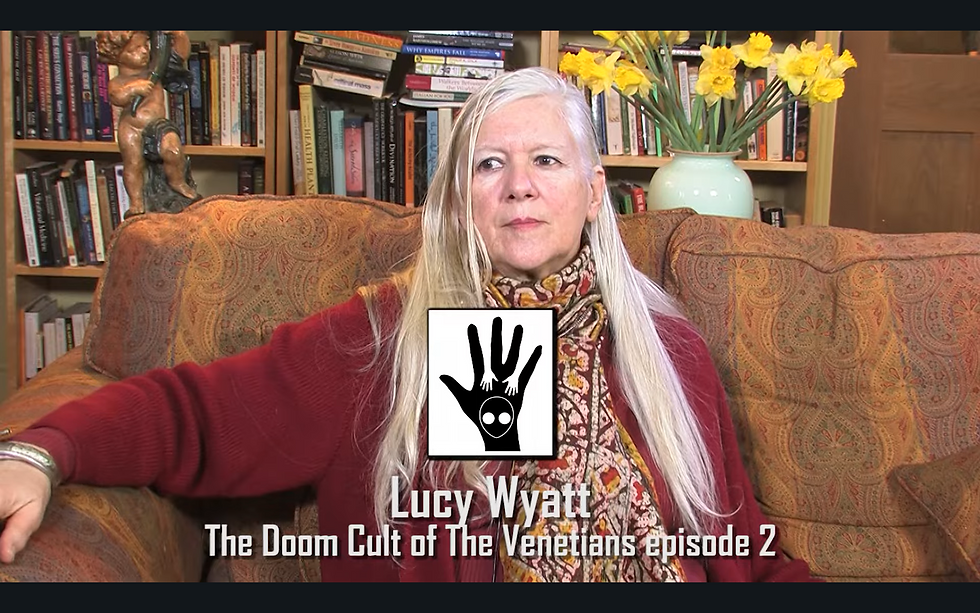
However, this venture was not purely commercial. Some historians suggest that the company’s origins were intertwined with a secretive group sometimes referred to as the "Doom Cult," a term used by independent researcher Lucy Wyatt. This group allegedly influenced English politics and ideology from the early 16th century, shaping attitudes toward Russia and other foreign powers. Whether this is metaphorical or literal, it highlights how economic interests and ideological frameworks were deeply connected.
The Role of Ideology and the Venetian Influence
Wyatt’s research points to a Venetian "Doom Cult" that framed Western ideologies and scientific beliefs from the 1500s onward. This cult supposedly promoted a worldview that justified hostility toward Russia, viewing it as a rival civilization to be contained or controlled. The idea that Western powers, especially Britain, saw Russia as a threat long before the 19th century challenges common historical narratives.
This ideological conflict may explain why Britain consistently opposed Russian expansion, not just in Central Asia but also in Europe and beyond. The framing of Russia as a dangerous "other" helped justify wars, political interference, and economic sanctions over centuries.

The Great Game and Imperial Rivalry
By the 19th century, British hostility toward Russia became more overt during the "Great Game," a strategic rivalry for influence over Central Asia.
Britain feared Russian advances toward India, the crown jewel of the British Empire. This rivalry led to espionage, proxy wars, and diplomatic confrontations.
While the Great Game is well documented, it was only one chapter in a much longer story. The earlier economic and ideological groundwork laid by the London Muscovy Company and the associated belief systems set the stage for this imperial competition.
The Bolshevik Revolution and Western Reactions
The 1917 Bolshevik Revolution shocked the world and intensified Western hostility toward Russia. Some theories suggest that Western powers, including Britain, saw the revolution as a threat to the established order and may have indirectly supported forces opposing the new Soviet regime.
Lucy Wyatt raises provocative questions about whether the same ideological forces behind earlier conflicts also influenced events like the Bolshevik Revolution. Was the revolution part of a larger plan to destabilize Russia from within? While these ideas remain controversial, they invite us to reconsider the complexity of Western-Russian relations beyond simple political or military explanations.
World War II and the Question of Alliances
During World War II, Britain and the Soviet Union became uneasy allies against Nazi Germany. Yet, some argue that Western powers had complex motives, including a desire to weaken Russia. The question arises whether earlier hostilities and ideological frameworks influenced wartime strategies and post-war policies.
The idea that Western powers might have backed Hitler to ultimately defeat Russia is a contentious claim. Still, it reflects the deep mistrust and strategic calculations that have characterized British-Russian relations for centuries.
The Legacy of Historical Hostility in Today’s Conflicts
The ongoing conflict in Ukraine can be seen as part of this long history of British and Western hostility toward Russia. The ideological and strategic patterns established centuries ago continue to influence modern geopolitics.
Understanding these historical roots helps explain why tensions persist and why simple explanations often fall short. The legacy of early trade rivalries, ideological framing, and imperial competition shapes how Western countries perceive and interact with Russia today.
Key Takeaways
British hostility toward Russia predates the 19th century and is rooted in early economic and ideological conflicts.
The London Muscovy Company played a crucial role in establishing early British-Russian relations, influenced by secretive ideological groups.
Western ideologies shaped by Venetian influences framed Russia as a rival civilization, justifying centuries of opposition.
The Great Game was part of a longer history of strategic rivalry, not the beginning of British hostility.
Events like the Bolshevik Revolution and World War II reflect complex interactions influenced by longstanding mistrust.
Modern conflicts involving Russia continue to be shaped by these deep historical patterns.
Exploring these historical layers offers a richer understanding of current tensions and encourages a more nuanced view of international relations. To grasp the full picture, it is essential to look beyond surface events and consider the long-term forces at play.



Comments